Review: Whimsical Wizard or Clown Mask Design
As a designer who has spent countless hours hooping, stitching, and troubleshooting machine embroidery projects, I approach every new machine embroidery design with a mix of curiosity and caution. We all know that a digital preview can look flawless on a screen, but the real test is always in the thread. Recently, I evaluated the Whimsical Wizard or Clown Mask Embroidery Design to determine if it holds up under the needle for real-world applications. This isn’t just about aesthetics; it’s about functionality, stitch quality, and commercial viability for crafters and small business owners.
First Impressions and Visual Personality
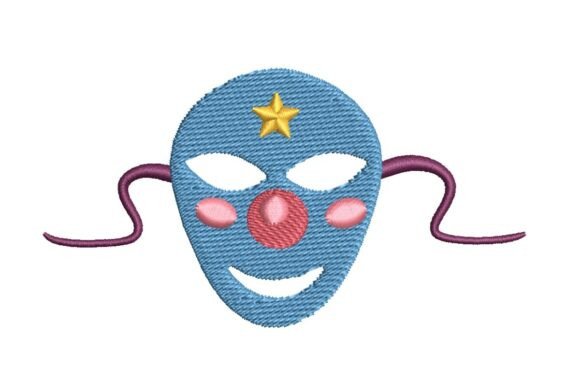
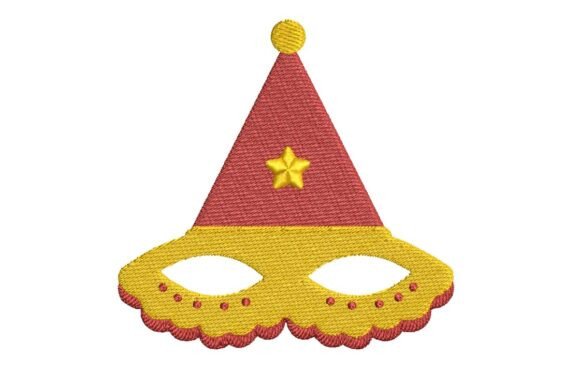
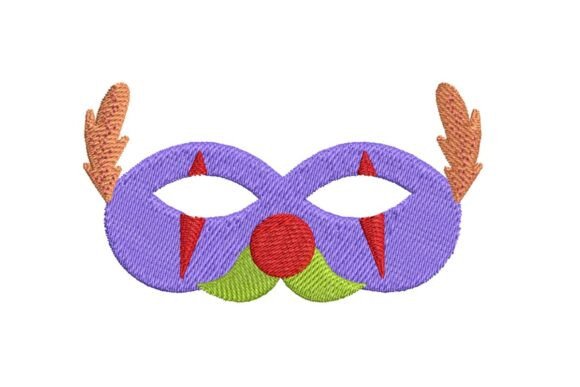
The first thing that strikes you about this design is its playful duality. It sits comfortably in that ambiguous space between mystical wizardry and circus whimsy. The stylized mask features distinct eyeholes and a textured purple rendering that suggests depth without relying on overly complex shading. For an embroidery file, this is crucial. Too much gradient simulation can lead to thread breaks or puckering, but this design uses smart color blocking to create visual interest.
The mood is lighthearted yet intriguing. It doesn’t scream "children only," which expands its market potential. I could see this working for a boutique Halloween collection, a theater group’s merchandise, or even as a quirky accent on adult apparel. The round decorative elements mentioned in the description add balance, preventing the mask from looking too stark or aggressive. It feels like a design that invites a second look, which is exactly what you want for a handmade product standing out on a crowded Etsy page or at a local craft fair.
Real-World Application: The Tote Bag Test
To truly understand how the Whimsical Wizard or Clown Mask Embroidery Design performs, I mentally walked through a common project: a custom canvas tote bag. Canvas is a forgiving fabric, but it has a distinct weave that can interfere with fine details. Given the textured nature of the mask’s purple fill, I anticipate that a standard fill stitch will cover the fabric grain effectively, providing solid coverage.
For a tote bag design, placement is key. Centering this mask on the front panel creates a bold statement piece. The distinct eyeholes provide natural negative space, which helps break up the density of the stitching. This is important because dense areas can cause the fabric to pucker if not properly stabilized. In this scenario, I would recommend using a medium-weight cut-away stabilizer to ensure the mask retains its shape after repeated washing and heavy use. The result would be a durable, eye-catching accessory that appeals to fans of fantasy and circus aesthetics alike.
Versatility Across Product Lines
Beyond tote bags, this design shows promise in several other categories. For sweatshirt embroidery, the plush texture of fleece or cotton blends complements the whimsical theme. The mask’s rounded edges are less likely to catch on fibers compared to sharp, angular designs. If you are running a craft business focused on custom apparel, this design could easily become a staple for seasonal collections.
Consider also its use on embroidered patches. Patches require designs that are self-contained and robust. Since this mask is a singular, cohesive image, it translates well to a patch format. You can stitch it on twill, cut it out, and apply it to jackets, hats, or bags. This adds value for customers who want removable decor. For baby embroidery, caution is advised due to the small details, but if scaled appropriately and simplified, it could work on a bib or a nursery pillow cover, adding a touch of magical charm without being overly scary.
Technical Considerations and Stitching Advice
While the design is visually appealing, there are technical aspects to consider before hitting "start" on your machine. The description notes a textured purple appearance. In embroidery terms, this often implies a combination of satin stitch borders and varied angle fill stitches. You must check the stitch density in your editing software. If the density is too high for lightweight fabrics, you risk perforation or stiffness.
Here are practical steps I recommend for any designer using this asset:
- Test on scrap fabric first: Always run a test stitch-out on the same material you plan to use for the final finished product. This reveals any tension issues or registration errors.
- Check thread color contrast: The design relies on the purple tone. Ensure your thread choice has enough sheen to highlight the texture. Matte threads might flatten the visual effect.
- Review hoop size requirements: Confirm that the design fits within your available hoop. If you need to resize it significantly, be aware that scaling down can merge small details, while scaling up can expose gaps in the fill.
- Inspect small details: Look closely at the decorative round elements. Are they too small for a running stitch to hold securely? If so, consider merging them with the main body or removing them for smaller applications.
Navigating Fabric and Surface Challenges
Not every surface is ideal for this specific embroidery project. Curved surfaces like caps require careful digitizing to prevent distortion. If you are applying this to a cap, ensure the design is centered and that the stabilizer is strong enough to counteract the curve. For thin or stretchy fabrics, such as jersey t-shirts, the weight of the mask’s fill stitches might cause dragging. In these cases, using a tear-away stabilizer with a fusible top layer can help keep the fabric stable during stitching.
Dark fabrics present another challenge. If the purple thread is not vibrant enough, it may get lost on black or navy backgrounds. Conversely, on light fabrics, ensure there are no stray jump stitches visible. A good practice is to view your printable mockup in both light and dark modes to gauge versatility. This helps in creating accurate listings for your small shop product lines, ensuring customers know what to expect.
Commercial Viability and Brand Consistency
For Etsy sellers and digital product creators, the appeal of the Whimsical Wizard or Clown Mask Embroidery Design lies in its niche versatility. It fits into the growing trend of whimsical, slightly mysterious decor. However, before selling finished items or the digital embroidery file itself, you must confirm the licensing terms. Does the creator allow commercial use? Are there restrictions on the number of physical items you can sell? Never assume; always verify.
Using this design consistently across your brand assets—such as social media posts, packaging, and product tags—can enhance brand recognition. The unique blend of wizard and clown motifs makes it memorable. When customers see this mask, they should associate it with quality craftsmanship and playful creativity. This builds trust and encourages repeat business.
Final Verdict for Designers
The Whimsical Wizard or Clown Mask Embroidery Design is a strong contender for designers looking to add character to their portfolio. It balances artistic flair with technical feasibility. While it requires attention to detail regarding stabilizer choice and fabric compatibility, the end result can be a high-value personalized gift or a standout commercial embroidery item. By testing thoroughly and understanding the limitations of your materials, you can transform this digital asset into a tangible success. Whether you are creating holiday gifts, boutique branding, or custom patches, this design offers a whimsical touch that resonates with a wide audience. Just remember to respect the technical constraints of embroidery, and let the thread do the talking.