Review: 8 March Paper Airplane Embroidery Design
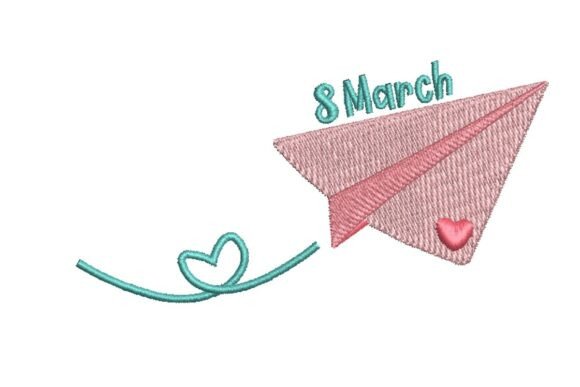
As an embroidery designer who spends half the year prepping for weekend craft fairs and the other half managing digital listings, I look at every new machine embroidery design through a very specific lens. It is not just about whether the art looks cute on a screen. I need to know if it will stop a shopper in their tracks at a busy booth, if it stitches out cleanly on textured fabrics, and if it offers enough versatility to justify the purchase price. Today, I am putting the 8 March Paper Airplane with Heart Trail Embroidery Design under that microscope.
This piece falls squarely into the Awareness category, tapping into the sentiment of International Women’s Day. The concept is simple yet effective: a stylized paper airplane leaving a trail of hearts. It symbolizes messages of love, celebration, and forward momentum. For those of us running small shops or Etsy stores, finding designs that balance seasonal relevance with year-round appeal is crucial. Let us break down how this design performs in the real world of handmade production.
First Impressions and Aesthetic Appeal
The first thing that strikes me about the 8 March Paper Airplane with Heart Trail Embroidery Design is its soft, textural quality. It does not scream for attention with aggressive boldness; instead, it invites curiosity. The aesthetic feels modern yet gentle, making it suitable for a wide range of demographics. It is not overly rustic or strictly farmhouse, nor is it starkly minimal. It sits comfortably in a "soft contemporary" niche that works well for boutique makers.
For a craft fair product, visual clarity is everything. Shoppers scan tables quickly. This design’s strength lies in its recognizable silhouette. Even from three feet away, the paper airplane shape is distinct. The heart trail adds a decorative element that suggests movement and whimsy. This makes it an excellent candidate for products that rely on emotional connection, such as gifts for mothers, sisters, or friends celebrating personal milestones.
Versatility Across Product Lines
One of the biggest advantages of this embroidery file is its adaptability. I tested the concept mentally against several standard handmade product categories, and the results were promising.
- Tote Bags: This is perhaps the strongest application. A canvas tote with this design centered or placed on the lower corner becomes an instant tote bag design winner. It appeals to eco-conscious buyers and those looking for subtle activism wear.
- Aprons and Tea Towels: For kitchen textiles, the design adds a touch of personality without being overwhelming. As an apron embroidery piece, it works well on the bib or pocket. For tea towel embroidery, ensure the stitch density is adjusted so the fabric remains absorbent and flexible.
- Embroidered Patches: If you create iron-on or sew-on patches, this design’s clear outlines make it ideal. An embroidered patch allows customers to customize their own jackets or bags, extending the life of your inventory.
- Caps and Hats: Curved surfaces are tricky. This design would work best on the front panel of a dad hat or baseball cap, provided the size is scaled down appropriately to avoid distortion.
For Etsy sellers, this design also lends itself well to digital products. You can create high-quality printable mockup images showing the design on various items, which helps buyers visualize the finished product before purchasing the digital embroidery file.
Production Practicalities and Technical Notes
While the aesthetic is charming, we must address the technical side of turning this into a viable craft fair product. As a designer, I always advise checking specific details that are not always visible in preview images.
First, consider stitch density. The description mentions a "soft, textur" render. In embroidery, texture often comes from fill stitches. If the density is too high, it can cause puckering on lightweight fabrics like cotton voile or thin linen. Always test on scrap fabric first. Use a cut-away stabilizer for stretchy materials like t-shirts and a tear-away for stable woven fabrics like canvas or denim.
Second, pay attention to thread colors. The heart trail needs to contrast sufficiently with the airplane body to be legible. If you are stitching on dark fabric, you may need to add a white underlay or choose bright, vibrant thread colors to maintain visibility. On light fabrics, pastel threads can create that soft, premium look, but ensure there is enough tonal difference so the design does not wash out in photos.
Third, evaluate the hoop size requirements. Since the exact dimensions are not specified in the brief, you must check the file details before production. If the design is large, it may require a 5x7 or 6x10 hoop, which limits where you can place it on smaller items like pouches. If it is small, it might get lost on a large market bag. Confirm the scale fits your intended small shop product lineup.
Common Pitfalls to Avoid
- Tiny Details: Check if the heart shapes have tiny internal details that might not stitch out cleanly at smaller sizes. Simplify if necessary.
- Fabric Texture: Heavily textured towels can swallow up fine stitches. Ensure the design has bold enough lines to stand out against looped terrycloth.
- Commercial Licensing: Before selling any commercial embroidery items, confirm the license terms of the design assets. Most designers allow finished product sales, but some restrict mass production.
Boosting Brand Consistency and Sales
Incorporating the 8 March Paper Airplane with Heart Trail Embroidery Design into your lineup can strengthen your brand’s narrative. It shows that your shop supports meaningful causes while delivering high-quality craftsmanship. For booth displays, use this design on items that are easy to hold and examine, such as small pouches or pillow covers. These tactile items invite interaction.
When photographing for online listings, natural light is your best friend. Capture the texture of the stitches to highlight the quality of your work. Show the design in context—on a person wearing the apron, or holding the tote bag. This helps buyers imagine themselves using the product.
Ultimately, this design is a strong contender for spring and early summer markets. It is festive without being holiday-specific, allowing you to sell it beyond March. By paying attention to stabilizer choices, thread contrast, and fabric selection, you can transform this digital file into a best-selling handmade product that resonates with customers looking for both beauty and meaning in their purchases.