Mystical Hands & All-Seeing Eye: A Designer’s Review
When I first pulled up the Mystical Hands with All-Seeing Eye Triangle Embroidery Design on my screen, I wasn’t just looking at a graphic; I was visualizing the needle path. As an experienced embroidery product reviewer and designer, I look past the initial aesthetic to ask how a design behaves under the needle. This piece, rooted in themes of Religion and cosmic insight, offers a bold visual statement that demands careful handling to translate well from a digital embroidery file to a tangible finished product.
First Impressions: Mood and Layout
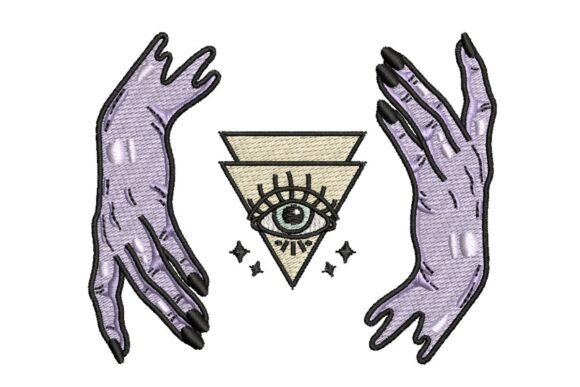
The composition is striking. Two stylized hands frame a central all-seeing eye within a triangle, creating a sense of symmetry and balance that is crucial for machine embroidery. The mood is undeniably powerful, evoking magic and protection. For a designer, the layout suggests a need for precision. The triangular shape provides a strong geometric anchor, while the organic curves of the hands offer a soft contrast. This interplay between rigid geometry and fluid lines is what makes the design visually engaging, but it also presents specific challenges regarding stitch density and direction.
In terms of visual personality, this design fits squarely into the modern mystical aesthetic. It is not overly ornate, which is a plus for readability, but it is detailed enough to require high-quality digitizing. If you are an Etsy seller or a small shop owner, this type of imagery resonates deeply with customers seeking meaningful, spiritual, or protective symbols in their handmade product choices.
Real-World Application: From Screen to Stitch
I recently considered this design for a custom tote bag design project. The client wanted something that felt artisanal yet modern. Here is how I evaluated its performance in real-life scenarios:
- Custom Apparel: On a heavy cotton sweatshirt, the Mystical Hands with All-Seeing Eye Triangle Embroidery Design holds its shape well. The sweatshirt embroidery market loves bold, centered chest pieces, and this design’s symmetry works perfectly there. However, on a thin t-shirt, the density might cause puckering unless a proper cut-away stabilizer is used.
- Embroidered Patch: This is arguably the best use case. The triangular border lends itself naturally to a patch format. Using a satin stitch for the border and fill stitches for the hands creates a textured, premium look that buyers associate with high-quality craft business items.
- Home Decor: Imagine this on a neutral linen pillow cover. The contrast of dark thread against light fabric highlights the "cosmic insight" theme. It transforms a simple home accessory into a conversation piece, adding value to your small shop product lineup.
Technical Considerations for Embroiderers
Before you load this digital embroidery file into your machine, there are critical technical factors to consider. The success of any embroidery project lies in the preparation.
Fabric and Stabilizer Choice
The fabric texture plays a massive role here. Because the design features both fine details in the eye and broader areas in the hands, you need a stable base. Avoid stretchy fabrics like jersey knits unless you are highly experienced with hooping techniques. For woven cottons or canvas, a medium-weight cut-away stabilizer is ideal to prevent distortion. If you are attempting baby embroidery, ensure the back of the stitches is covered or softened, as the dense areas might feel scratchy against sensitive skin.
Stitch Types and Density
A well-digitized version of this design should utilize a mix of satin stitch for the outlines and triangle borders, and fill stitch for the hands and eye details. Watch out for excessive stitch density in the center of the triangle. If the digitizer has packed too many stitches into the eye area, it can lead to thread breaks or needle deflection. Always run a test on scrap fabric first. Check if the running stitch underlay is sufficient to anchor the design before the main stitching begins.
Color and Contrast
The choice of thread colors will make or break this design. High contrast is key. Black thread on white fabric creates a stark, graphic look that emphasizes the mystical theme. Alternatively, metallic gold or silver threads can elevate the design for a more luxurious holiday embroidery gift or boutique branding item. Test your design in black and white mockups to ensure the details remain visible even without color differentiation.
Where to Use Caution
While versatile, this design is not suitable for every application. Avoid using it on curved surfaces like caps unless the design size is significantly reduced and the digitizing is optimized for 3D puff or standard cap curvature. The sharp corners of the triangle can be difficult to stitch cleanly on a curved brim. Additionally, be cautious with very small hoop sizes. If the design is scaled down too much, the intricate details of the all-seeing eye may merge into a blob of thread, losing its symbolic power.
For commercial embroidery projects involving frequent washing, such as aprons or kitchen towels, ensure the thread quality is high-grade polyester or rayon to maintain color vibrancy and stitch integrity. A poorly stitched design on a frequently washed item can damage your brand consistency and customer trust.
Enhancing Product Value and Branding
Using the Mystical Hands with All-Seeing Eye Triangle Embroidery Design effectively can boost your design assets portfolio. It appeals to a niche market interested in spirituality and mysticism, allowing you to create targeted personalized gift options. When presented with professional printable mockup images, this design stands out in online listings. It signals professionalism and artistic intent, which increases buyer engagement.
For applique design enthusiasts, consider adapting the hands or the triangle as separate applique pieces to reduce stitch count and add fabric texture variety. This can lower production time while maintaining visual impact, a crucial factor for scaling a craft business.
Final Designer Notes
Before committing to a large batch of custom apparel or embroidered patch orders, always verify the specific technical details of the file you purchase. Since the provided description does not list exact stitch counts, file formats, or license terms, you must check these with the vendor. Confirm whether the license allows for commercial use if you plan to sell finished product items.
Test the design on various fabric types to understand how the hoop size affects the placement. Inspect small details after stitching to ensure clarity. By treating this machine embroidery design with the respect it deserves, you can create stunning, meaningful pieces that resonate with your audience and stand the test of time.